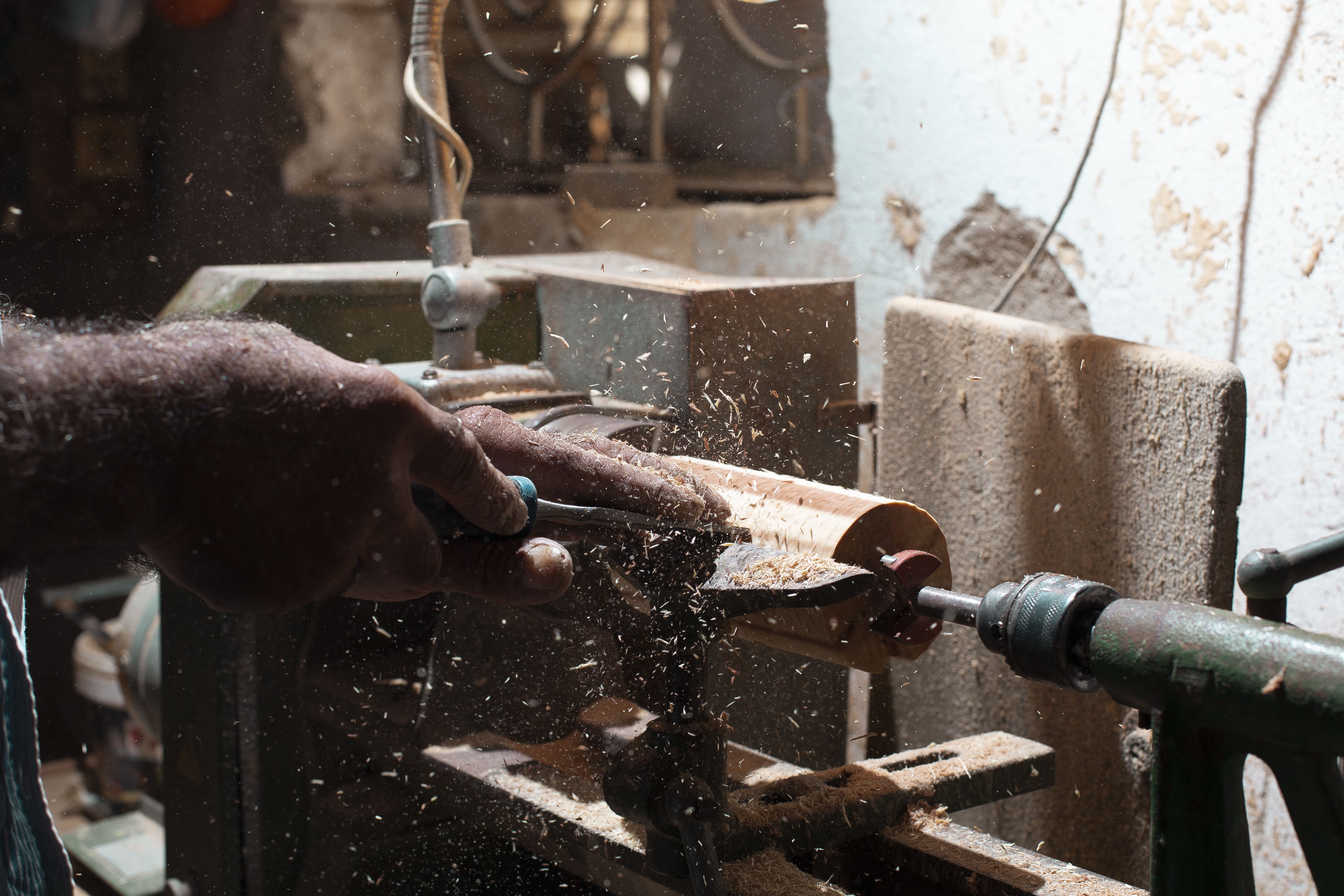
FACTORY FLOOR · Lagos
“For twelve years I worked with machines I couldn't read the warnings on. The first poster I actually understood, I cried.”
Chinedu
Textile operator · 41
We print, post, film, broadcast, and show up, in the languages people speak, at the literacy level they read, on the channels they already use.
Multilingual posters, infographics, videos, and booklets, engineered so a worker with limited literacy still gets the message that keeps them alive. No jargon. No acronyms. No slide decks.
An online home where safety resources are free, findable, and formatted for humans. No paywalls. No sign-ups. No bureaucratic detours between a worker and the thing that saves them.
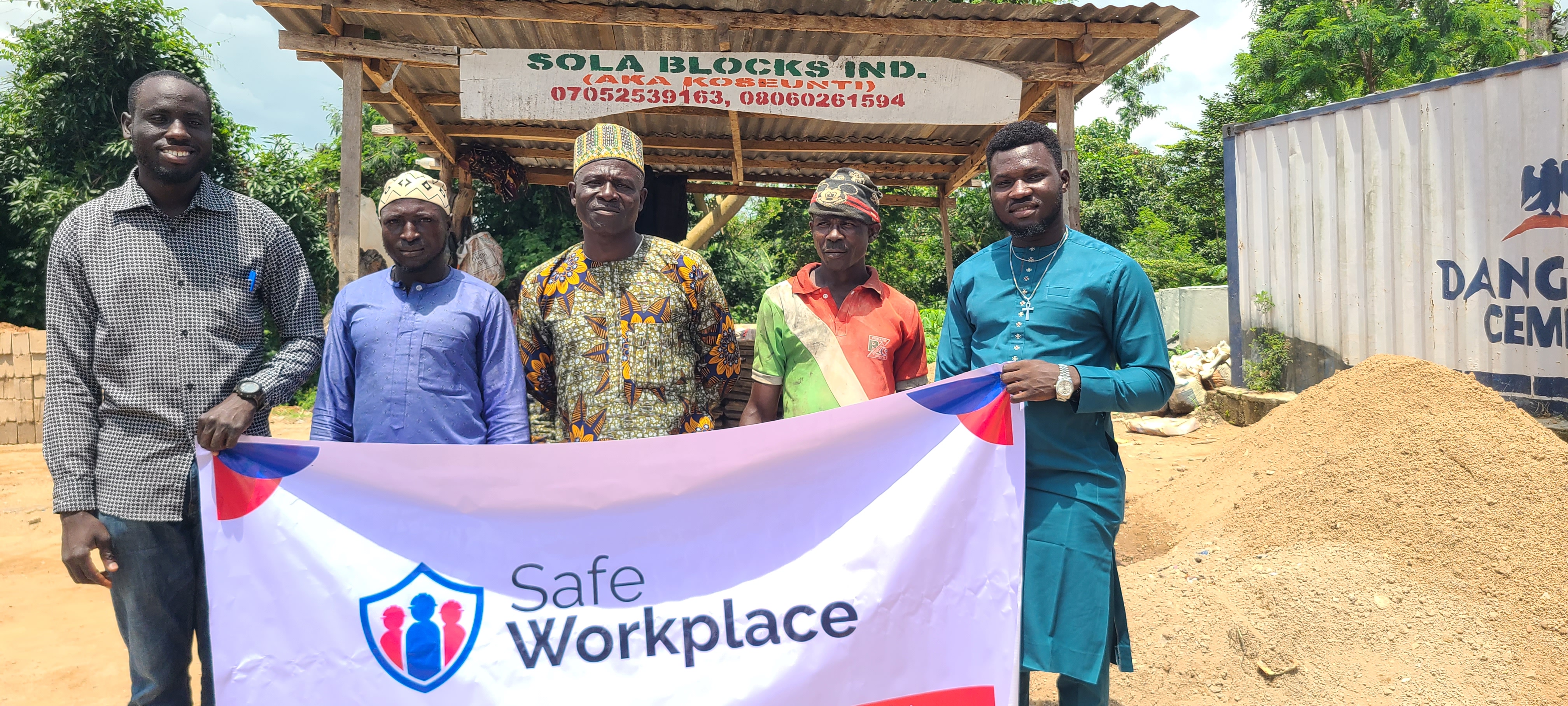
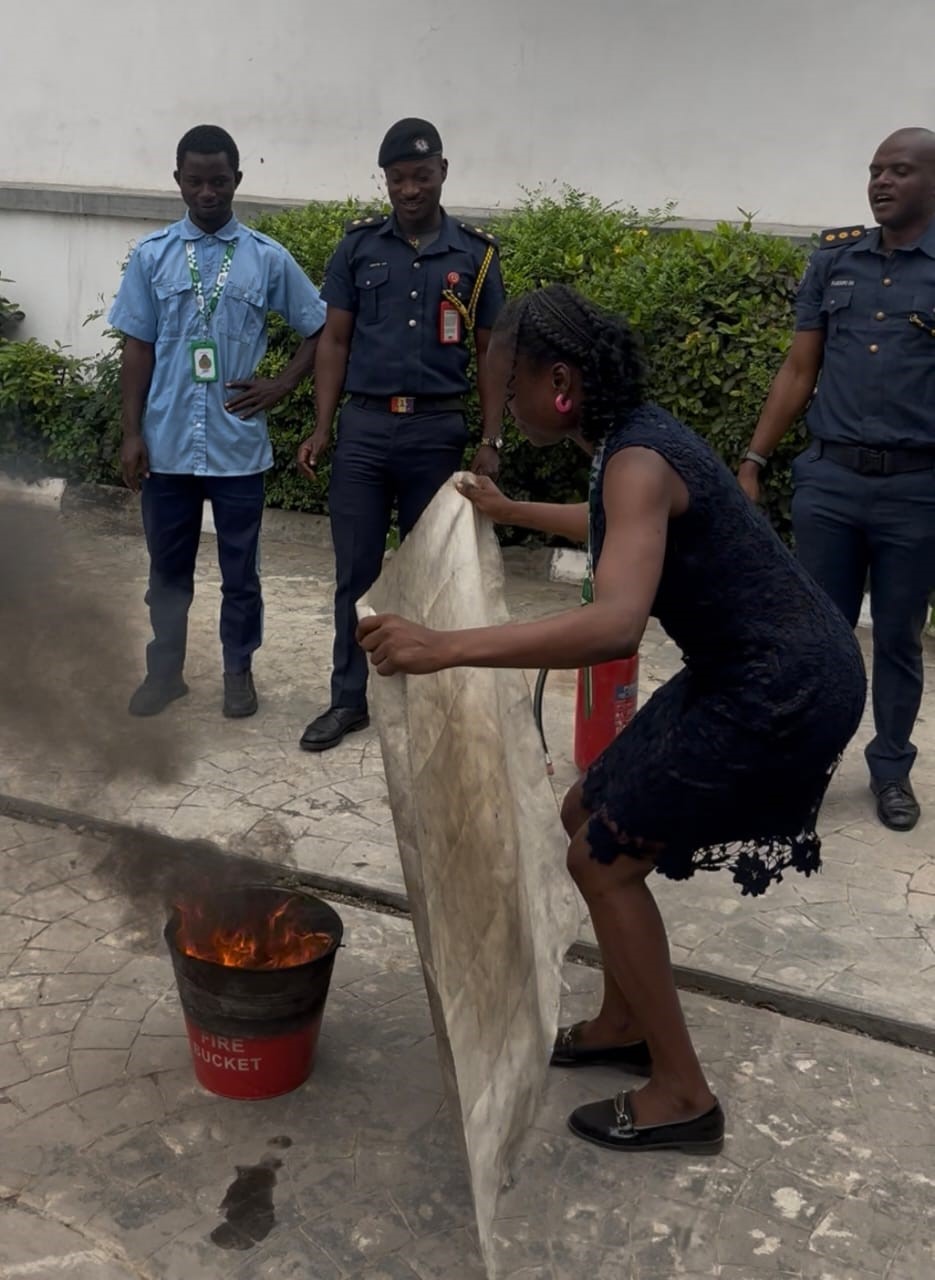
Physical awareness campaigns across at least 10 workplaces, because a poster on a wall is one thing, and a conversation on the factory floor is another. Presence is the lesson.
Digital outreach that keeps safety in the feed. Short-form, shareable, unignorable, safety messaging that travels the same channels gossip, politics, and football do.
Preventable on-the-job deaths the manuals never reached.
Workers hurt annually in jobs without structured training.
Factories, construction, markets, warehouses, abattoirs.
Started in a Bodija abattoir, now nationwide.
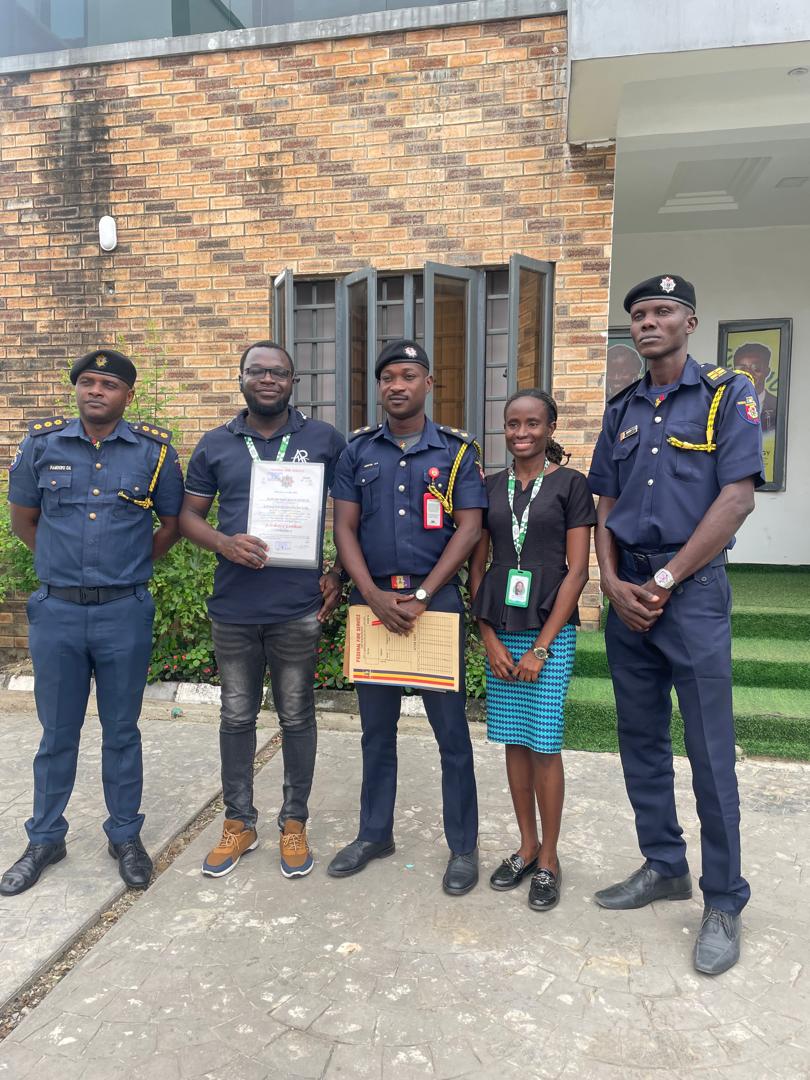
A team came together in Bodija, Ibadan: occupational health specialists, public health researchers, workplace safety professionals. Three of us had supervised abattoirs directly. One shared goal held the group: fewer preventable injuries in the sectors most people would rather not look at.
Then we kept looking. Informal markets. Construction sites. Manufacturing floors. Warehouses. The same hazards, the same absence of structured training, the same workers paying the price. The Toolkit was born from that widening lens: a set of materials built for every worker the old frameworks forgot.
We work where the workers are, and we speak their language, literally and otherwise.
Nigeria's industrial and informal workforce is vast, vital, and chronically under-served by existing safety infrastructure. That's where the toolkit begins, and that's where the lessons that scale everywhere else are learned first.
“For twelve years I worked with machines I couldn't read the warnings on. The first poster I actually understood, I cried.”
“The safety briefing used to be a paper nobody signed. Now the team runs the briefing themselves. That shift — that's the toolkit.”
“We told them traders don't do training. They came anyway. They spoke Yoruba. They stayed. Now every stall has the chart on the wall.”
We share materials, run site trainings, and build partnerships with workplaces, unions, and coalitions serious about sending every worker home.
Start a conversation →